旅行的英语作文怎么写-旅行英语作文怎么写
于此同时呢,旅行作文应体现语言运用能力、逻辑思维和文化理解,是英语学习的重要组成部分。本文将从旅行的定义、旅行的意义、旅行的影响、旅行的类型、旅行的准备与实施、旅行的反思与归结起来说等方面展开论述,帮助读者全面了解如何撰写一篇高质量的旅行英语作文。
Travel: A Journey of Self-Discovery and Cultural Exploration
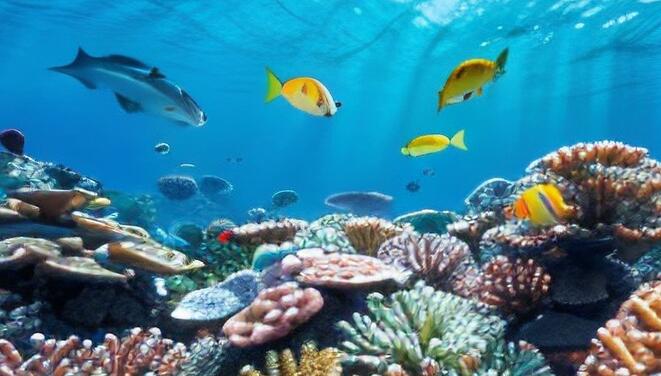
Travel is more than just a physical movement from one place to another. It is a transformative experience that allows individuals to step outside their comfort zones, engage with new cultures, and gain a deeper understanding of the world. In the context of an English essay, travel is often discussed through the lens of personal growth, cultural exchange, and the development of language skills. This essay will explore various aspects of travel, including its significance, the types of travel, and the impact it has on individuals and society.
The Significance of Travel
Travel holds immense significance in modern life. It offers a unique opportunity to experience different environments, meet people from diverse backgrounds, and learn about different ways of life. For many, travel is a means of self-discovery. By stepping into new places, individuals can confront new challenges, confront their own limitations, and gain a broader perspective on themselves and the world. According to the World Tourism Organization (UNWTO), travel is one of the most important economic and social activities, contributing to cultural preservation, economic growth, and international cooperation.
Moreover, travel fosters cultural understanding and appreciation. In an increasingly interconnected world, people are exposed to different cultures through media, travel, and global events. Travel allows individuals to engage directly with local traditions, customs, and lifestyles, promoting cross-cultural dialogue and mutual respect. This is particularly important in an era where globalization has led to cultural homogenization, and travel serves as a counterbalance to that trend.
The Types of Travel
Travel can be categorized into several types, each with its own unique characteristics and purposes. The most common types include domestic travel, international travel, adventure travel, cultural tourism, and educational travel.
Domestic Travel
Domestic travel refers to travel within a country or region. It is often a way for individuals to explore their own country, visit historical sites, and experience local cuisine. For example, a person might travel from one city to another to visit famous landmarks or enjoy a weekend getaway. Domestic travel is particularly popular among people who want to experience their own culture without the complexities of international travel.
International Travel
International travel involves traveling to another country, often for leisure, business, or academic purposes. It is a significant part of global travel and has become increasingly popular in recent years. According to the International Air Transport Association (IATA), the number of international travelers has been growing steadily, driven by factors such as economic development, improved transportation infrastructure, and the rise of digital platforms that make travel more accessible.
Adventure Travel
Adventure travel is a type of travel that emphasizes exploration and personal challenge. It often involves activities such as hiking, kayaking, and backpacking. Adventure travel is appealing to those who enjoy the thrill of the unknown and the opportunity to push their limits. It is also a growing trend, with more people seeking out unique experiences and self-discovery through travel.
Cultural Tourism
Cultural tourism refers to travel that focuses on experiencing the culture of a destination. This can include visiting historical sites, attending festivals, and interacting with local communities. Cultural tourism is particularly valuable for understanding the social and historical context of a place. For example, visiting a traditional market or a local festival can provide insight into the daily life and traditions of a community.
Educational Travel
Educational travel is a type of travel that is designed to provide learning experiences. It is often used by students and educators to gain knowledge about different cultures, history, and other subjects. Educational travel can take place in various formats, including study tours, exchange programs, and cultural immersion programs. It is an effective way to combine learning with travel, making it a valuable tool in education.
The Impact of Travel on Individuals
Travel has a profound impact on individuals, both personally and professionally. On a personal level, travel can enhance one’s worldview, improve communication skills, and foster empathy. It also helps individuals develop new skills, such as language proficiency, problem-solving, and adaptability. For example, traveling to a foreign country can improve one’s ability to communicate in a new language, which is a valuable skill in both personal and professional settings.
On a professional level, travel can enhance career opportunities and expand one’s network. For instance, a business traveler may attend a conference in another country, which can lead to new business opportunities and partnerships. Travel also helps individuals gain a broader perspective on their work and career goals, encouraging them to think beyond their immediate surroundings.
The Preparation and Implementation of Travel
Preparing for a trip involves careful planning and consideration of various factors. These include choosing the destination, researching the local culture and customs, budgeting for travel expenses, and ensuring that the necessary documents are in order. For example, when traveling internationally, it is important to have a valid passport, travel insurance, and a clear itinerary. Additionally, preparing for the trip involves researching the local language, customs, and potential challenges that may arise.
The implementation of a travel plan involves making the trip happen. This includes booking flights, arranging accommodations, and ensuring that the travel itinerary is followed. It is also important to be flexible and prepared for unexpected situations, such as weather changes, delays, or health issues. Travelers should also be mindful of the local environment and respect the culture and traditions of the place they are visiting.
The Reflection and Learning from Travel
Travel is not just about the destination; it is also about the experience and the learning that occurs during the journey. Reflecting on a trip can provide valuable insights into one’s personal growth, cultural understanding, and life experiences. For example, a traveler may reflect on how a new culture has changed their perspective or how a particular experience has influenced their decision-making.
Moreover, travel can be a powerful tool for self-reflection and personal development. It encourages individuals to think critically about their experiences, values, and beliefs. Travelers often return with a deeper understanding of themselves and the world around them, which can lead to lasting changes in their outlook and behavior.
Conclusion

Travel is a transformative experience that enriches individuals and society as a whole. It offers opportunities for personal growth, cultural exchange, and self-discovery. Whether it is domestic travel, international travel, or cultural tourism, travel has the power to broaden one’s horizons and foster a deeper connection with the world. As the world becomes increasingly interconnected, travel remains an essential part of human life, allowing people to experience different cultures, meet new people, and gain new perspectives. In the context of an English essay, travel is not just a subject to be discussed; it is a powerful theme that can be explored in depth, offering both insight and inspiration.